
How European Standards are reshaping fire door compliance
Steve Goodburn, Business Development Director at Pyroguard, discusses the move to European Standards for fire door systems and how the industry can prepare for the transition.
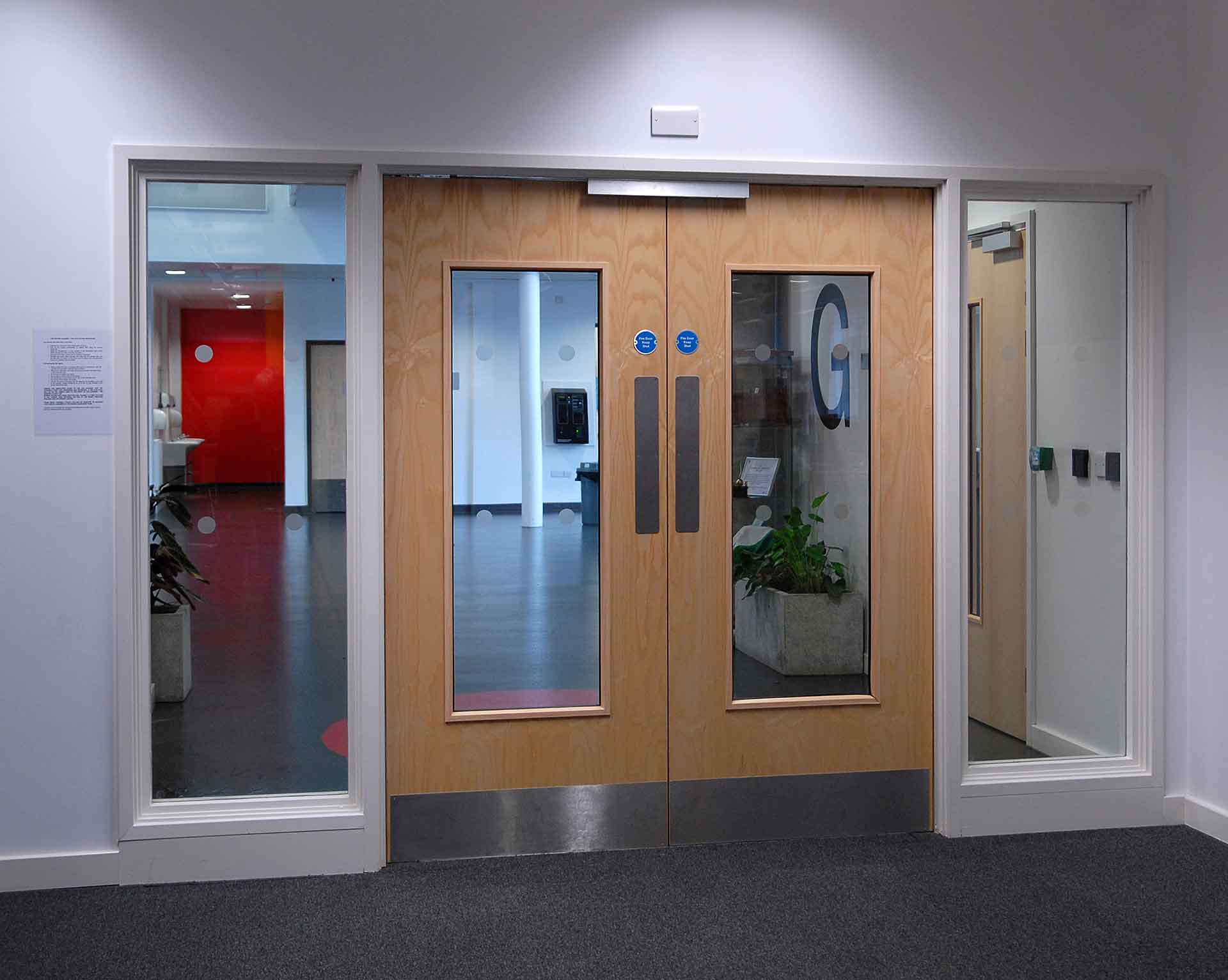
The transition to European Standards for fire door systems marks a significant shift for the door industry, bringing new expectations around compliance and performance. From September 2029, fire door systems tested to BS 476-22 will no longer meet the requirements of UK Building Regulations, as the industry moves towards compliance with the European Standard, BS EN 13501-2. This transition represents a significant move towards greater consistency in specification and compliance across the industry.
Understanding fire door testing standards
BS 476-22 is a test standard, while the interpretation of the results of the test is largely left to expert opinion and voluntary third-party schemes. BS EN 13501-2 introduces the European framework for extending application and classifying performance, replacing traditional FD30 and FD60 ratings with classifications such as E30 and E60, all based on testing in accordance with EN 1634-1.
The European Standard for fire door testing, BS EN 1634-1, sets out the fire resistance testing method for fire doors. The test results are then classified under BS EN 13501-2, which defines how fire performance is rated and reported and introduces a harmonised European classification system allowing CE marking when required. Specifiers and end users are already beginning to request BS EN 13501-2 documents ahead of the transition deadline.
Facing the challenges of a more rigorous framework
While greater standardisation is a key milestone for the industry, it brings considerable challenges for manufacturers of fire doors and glazed systems. This is because products that passed under BS 476-22 may not perform to the same level under the European Standard BS EN 1634-1 test regime. As a result, manufacturers may need to rethink their product designs or change the materials they use.
A compliant fire door must be certified as a complete system to meet the appropriate fire standard, ensuring that the door leaf, frame, seals, glazing and ironmongery are correctly specified, installed and rated to perform as a single unified solution. European testing is widely recognised as more demanding and harder to achieve equivalent results.
Why is that? Despite using the same fire heating rate, the EN 1634-1 standard uses shielded thermocouples to monitor furnace temperature, resulting in higher initial thermal loads on the specimen. Timber and composite doors in particular are affected by this early temperature spike at the start of the test. This creates more rigorous test conditions compared to BS 476-22, effectively raising the bar for achieving compliance.
Preparing for the transition
Moving forward, all newly manufactured and installed fire door systems need to fully comply with European Standards. This change will have a direct impact on product selection, specification processes and certification requirements. For fire door manufacturers, this means ensuring products are tested and classified under BS EN 13501-2. Developing and testing fire-rated products is a lengthy process, manufacturers need to start planning now, as leaving it late could result in loss of market.
Fortunately, fire doors already installed in buildings and tested to BS 476-22 will remain fit for purpose, providing that they continue to meet safety requirements through regular inspection and maintenance.
To assist manufacturers in the transition, we offer comprehensive technical support, indicative and certified testing services and advice on achieving the European Standard BS EN 13501-2.
Innovative glazing that supports compliance with European Standards
We have developed an innovative cuttable fire safety glass to help fire door manufacturers in the transition to BS EN 13501-2. Pyroguard Advance consists of multiple panes of glass with fire-resistant interlayers, which react when exposed to high temperatures to form a protective barrier against flames, smoke and radiant heat.
Compatible with a wide range of framing systems, glazing beads, and sealants, this versatility enables door manufacturers to specify the same glass across different projects, streamlining inventory management and helping to reduce overall costs. Pyroguard Advance provides up to 60 minutes’ integrity and radiant heat reduction and is fully tested and certified to European standards, meeting the stringent EN classification requirements.
Looking to the future
The future of fire door manufacturing looks set to be shaped by tighter regulations, greater standardisation and a stronger emphasis on fully tested systems. As the industry continues its transition towards European Standards, manufacturers need to start preparing now retesting existing products or sourcing fully certified solutions that already meet EN classifications, such as Pyroguard Advance. Investing early in this transition will help ensure compliance and avoid costly delays and rework as European Standards become fully embedded across the fire door industry.”
To find out more contact us.